
Renting a property, whether it’s an apartment, house, or condo, offers flexibility and convenience. However, it’s crucial to remember that your landlord’s insurance policy typically covers only the building itself, not your personal belongings. This is where renters insurance comes in, providing essential protection for your possessions against various perils. This article offers a comprehensive guide to renters insurance, explaining what it covers, why it’s important, how to choose the right policy, and other key considerations for tenants.
Understanding the Need for Renters Insurance:
Many renters mistakenly believe their landlord’s insurance covers their personal belongings. This is a common misconception. Landlord insurance primarily covers:
- The Building Structure: This includes the roof, walls, foundation, and other structural components of the property.
- Landlord’s Liability: This protects the landlord from financial losses if someone is injured on the property due to their negligence.
Renters insurance, on the other hand, protects your possessions and provides additional liability coverage for incidents you might be responsible for.
What Renters Insurance Typically Covers:
A standard renters insurance policy typically includes the following coverages:
- Personal Property Coverage: This is the core of renters insurance, protecting your belongings against various perils, including:
- Fire and smoke damage
- Theft and vandalism
- Water damage (from burst pipes, leaking appliances, etc., but generally not flood damage)
- Windstorms and hail
- Explosions
- Riots and civil unrest
It’s important to understand the difference between two types of personal property coverage:
-
- Actual Cash Value (ACV): This pays the current market value of your belongings, taking depreciation into account. This means you’ll receive less than the original purchase price for older items.
- Replacement Cost Value (RCV): This pays the cost to replace your belongings with new, similar items, without deducting for depreciation. RCV coverage is generally more expensive but provides greater financial protection.
- Liability Coverage: This protects you if you are held responsible for accidentally injuring someone or damaging their property. For example, if a guest slips and falls in your apartment, your liability coverage can help pay for their medical expenses or legal fees.
- Loss of Use Coverage (Additional Living Expenses): If your rental unit becomes uninhabitable due to a covered peril (e.g., a fire), this coverage helps pay for temporary living expenses, such as hotel stays, meals, and other related costs, while your unit is being repaired.
- Medical Payments Coverage: This provides limited coverage for medical expenses if a guest is injured in your rental unit, regardless of who is at fault.
Why Renters Insurance Is Essential:
Renters insurance is crucial for several reasons:
- Financial Protection: It protects you from significant financial losses if your belongings are damaged or stolen. Replacing all your possessions out of pocket can be extremely expensive.
- Liability Protection: It protects you from potential lawsuits if you are held responsible for causing injury or damage to others.
- Peace of Mind: Knowing you have coverage can provide peace of mind and reduce stress about potential losses.
- Often Required by Landlords: Many landlords require tenants to carry renters insurance as a condition of their lease agreement.
How to Choose the Right Renters Insurance Policy:
- Assess Your Needs: Take an inventory of your belongings and estimate their value. This will help you determine the appropriate amount of personal property coverage you need. Consider using a home inventory app or creating a detailed list with photos or videos.
- Determine the Type of Coverage (ACV or RCV): Decide whether you want Actual Cash Value or Replacement Cost Value coverage for your personal property. RCV is generally recommended for better protection.
- Choose Appropriate Coverage Limits: Select coverage limits that adequately protect your assets. Don’t underestimate the value of your belongings.
- Compare Quotes from Multiple Insurers: Get quotes from several different insurance companies to compare prices and coverage options. Online comparison tools can be helpful.
- Check for Discounts: Ask about available discounts, such as discounts for having security systems, smoke detectors, or fire extinguishers.
- Read the Policy Carefully: Before purchasing a policy, carefully review the policy documents to understand the coverage details, exclusions, and limitations.
Factors Affecting Renters Insurance Costs:
Several factors can influence the cost of renters insurance:
- Location: Areas with higher crime rates or a greater risk of natural disasters typically have higher premiums.
- Coverage Limits: Higher coverage limits will result in higher premiums.
- Deductible: A higher deductible will typically lower your premium.
- Credit Score: In some states, insurers use credit scores as a factor in determining premiums.
- Claims History: A history of previous insurance claims can lead to higher premiums.
Common Exclusions in Renters Insurance Policies:
It’s important to be aware of common exclusions in renters insurance policies:
- Flood Damage: Standard renters insurance policies typically do not cover flood damage. If you live in a flood-prone area, you may need to purchase separate flood insurance.
- Earthquakes: Earthquake damage is also typically excluded and requires a separate earthquake insurance policy.
- Pest Infestations: Damage caused by pests such as termites or rodents is usually not covered.
- Intentional Damage: Damage you intentionally cause to your property is not covered.
- High-Value Items: Some high-value items, such as jewelry, art, or collectibles, may have limited coverage under a standard policy. You may need to purchase separate endorsements or “riders” to adequately protect these items.
Filing a Renters Insurance Claim:
If you need to file a renters insurance claim, follow these steps:
- Contact Your Insurer Immediately: Notify your insurance company as soon as possible after the incident.
- Document the Damage: Take photos or videos of the damage to your belongings.
- Provide a Detailed Inventory: Provide a detailed list of the damaged or stolen items, including their estimated value.
- File a Police Report (If Necessary): If the incident involves theft or vandalism, file a police report.
- Cooperate with the Insurance Adjuster: Cooperate with the insurance adjuster who will investigate your claim.
Renters Insurance and Roommates:
If you have roommates, you have a few options for renters insurance:
- Individual Policies: Each roommate can purchase their own individual policy. This is generally the recommended option, as it provides the most comprehensive protection for each individual’s belongings.
- Joint Policy: You and your roommates can purchase a joint policy. However, this can become complicated if one roommate moves out or if there is a dispute over a claim.
Renters Insurance for Students:
Students living in dorms or off-campus housing should also consider renters insurance. While some college or university policies may offer limited coverage, it’s often insufficient to protect all of a student’s belongings. A separate renters insurance policy can provide more comprehensive protection.
Conclusion:
Renters insurance is a crucial form of protection for tenants. It safeguards your personal belongings against various perils, provides liability coverage, and offers peace of mind. By understanding what renters insurance covers, how to choose the right policy, and the associated costs and considerations, you can ensure you have adequate protection for your possessions while renting. Remember to assess your needs, compare quotes, read the policy carefully, and consult with an insurance professional if you have any questions. Taking these proactive steps can help you safeguard your financial well-being and protect your belongings in your rental property.
Protecting Your Home from Rising Waters: A Comprehensive Guide to Flood Insurance
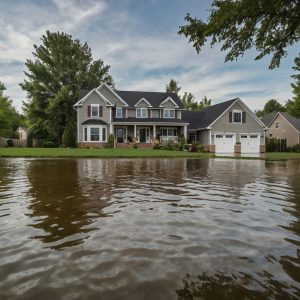
Flooding is a significant natural disaster that can cause devastating damage to homes and property. Unlike standard homeowners insurance policies, which typically exclude flood damage, flood insurance is a separate policy designed specifically to protect your home and belongings from losses caused by flooding. This article provides a comprehensive guide to flood insurance for homeowners, explaining what it covers, who needs it, how to obtain it, and crucial steps to take to mitigate flood risk.
Understanding Flood Risk:
Before considering flood insurance, it’s essential to understand the factors that contribute to flood risk:
- Location: Properties located in floodplains or near bodies of water are at higher risk of flooding. However, flooding can occur anywhere, even in areas not traditionally considered high-risk.
- Rainfall and Snowmelt: Heavy rainfall, prolonged periods of rain, and rapid snowmelt can overwhelm drainage systems and lead to flooding.
- Coastal Storms and Hurricanes: Coastal areas are particularly vulnerable to flooding from storm surges and hurricanes.
- Levees and Dams: Levee and dam failures can cause catastrophic flooding.
- Changes in Land Development: Construction and development can alter drainage patterns and increase flood risk.
What is Flood Insurance and What Does It Cover?
Flood insurance is a separate policy that protects your home and belongings from flood damage. It is typically provided through the National Flood Insurance Program (NFIP), managed by the Federal Emergency Management Agency (FEMA), or through private insurance companies. Flood insurance generally covers two types of property:
- Building Coverage: This covers the physical structure of your home, including:
- Foundation
- Walls
- Floors
- Roof
- Electrical and plumbing systems
- Furnaces, water heaters, and air conditioners
- Permanently installed fixtures and appliances
- Contents Coverage: This covers personal belongings within your home, including:
- Furniture
- Clothing
- Electronics
- Appliances that are not permanently installed
- Other personal items
What Flood Insurance Does Not Cover:
It’s important to understand what flood insurance typically does not cover:
- Damage from other sources: Flood insurance only covers damage caused by flooding, not by other events such as burst pipes or sewer backups (unless directly caused by a flood event).
- Damage to vehicles: Vehicles are covered by separate auto insurance policies, not flood insurance.
- Loss of use: Expenses incurred due to being displaced from your home during repairs are generally not covered, although some policies may offer additional coverage for this.
- Certain valuables: Valuable items such as cash, precious metals, and important papers may have limited coverage.
Who Needs Flood Insurance?
While homeowners in high-risk flood zones are often required by their mortgage lenders to carry flood insurance, it’s essential for all homeowners to consider this coverage, regardless of their location. Even areas outside designated floodplains can experience flooding due to heavy rainfall, inadequate drainage, or other factors.
- Homeowners in High-Risk Flood Zones (Special Flood Hazard Areas – SFHAs): These areas have a 1% or greater chance of flooding in any given year. Mortgage lenders typically require flood insurance for properties located in SFHAs.
- Homeowners in Moderate-to-Low-Risk Flood Zones: While the risk is lower, flooding can still occur in these areas. Flood insurance is often available at lower premiums for these properties.
- Renters: Renters can also purchase flood insurance to protect their personal belongings.
How to Obtain Flood Insurance:
Flood insurance can be obtained through two main sources:
- National Flood Insurance Program (NFIP): The NFIP is a federal program that provides flood insurance to property owners in participating communities. You can purchase NFIP flood insurance through most insurance agents.
- Private Flood Insurance Companies: Private insurers also offer flood insurance policies, which may provide broader coverage or higher coverage limits than the NFIP.
Cost of Flood Insurance:
The cost of flood insurance depends on several factors, including:
- Flood Zone: Properties in high-risk flood zones generally have higher premiums.
- Coverage Amount: Higher coverage limits will result in higher premiums.
- Deductible: Choosing a higher deductible can lower your premiums.
- Building Characteristics: Factors such as the building’s elevation, construction type, and location of contents can affect premiums.
Mitigating Flood Risk:
While flood insurance provides financial protection, taking steps to mitigate flood risk can help prevent damage and potentially lower your insurance premiums:
- Elevate Your Home: Raising your home above the base flood elevation can significantly reduce flood risk.
- Install Flood-Proofing Materials: Using flood-resistant materials in construction and renovations can help minimize damage.
- Improve Drainage: Ensuring proper drainage around your property can help prevent water from accumulating near your home.
- Install Sump Pumps: Sump pumps can help remove water that accumulates in basements or crawl spaces.
- Clear Gutters and Downspouts: Regularly cleaning gutters and downspouts can ensure proper drainage and prevent water from backing up against your home.
- Landscaping: Grading the land around your home to slope away from the foundation can help divert water away from your property.
- Know Your Flood Risk: Determine your property’s flood risk by checking FEMA’s Flood Map Service Center.
Understanding Flood Maps and Flood Zones:
FEMA creates flood maps that delineate different flood zones based on the level of flood risk. Understanding your property’s flood zone is crucial for determining your flood insurance needs and premiums.
- Special Flood Hazard Areas (SFHAs): These are high-risk flood zones with a 1% or greater chance of flooding in any given year.
- Moderate-to-Low-Risk Flood Zones: These areas have a lower risk of flooding but are still susceptible to flood events.
The Claims Process:
If your home is damaged by a flood, it’s essential to file a claim with your flood insurance provider as soon as possible. The claims process typically involves:
- Documenting the Damage: Take photos and videos of the damage to your home and belongings.
- Contacting Your Insurance Provider: Contact your insurance agent or company to file a claim.
- Meeting with an Adjuster: An insurance adjuster will inspect the damage and assess the amount of your claim.
- Submitting Proof of Loss: You will need to provide documentation of your losses, such as receipts, invoices, and photos.
Key Questions to Ask Your Insurance Agent:
- What is my property’s flood zone?
- What are the coverage options and limits available?
- What are the deductibles and premiums?
- What is covered and not covered by the policy?
- What is the claims process?
Conclusion:
Flood insurance is a crucial protection for homeowners, regardless of their location. While standard homeowners insurance policies typically exclude flood damage, flood insurance provides financial security against the devastating losses that can result from flooding. By understanding your flood risk, obtaining adequate coverage, and taking steps to mitigate flood risk, you can protect your home and belongings from the potentially devastating effects of rising waters. Remember to consult with an insurance professional to discuss your specific needs and find the right flood insurance policy for your property.