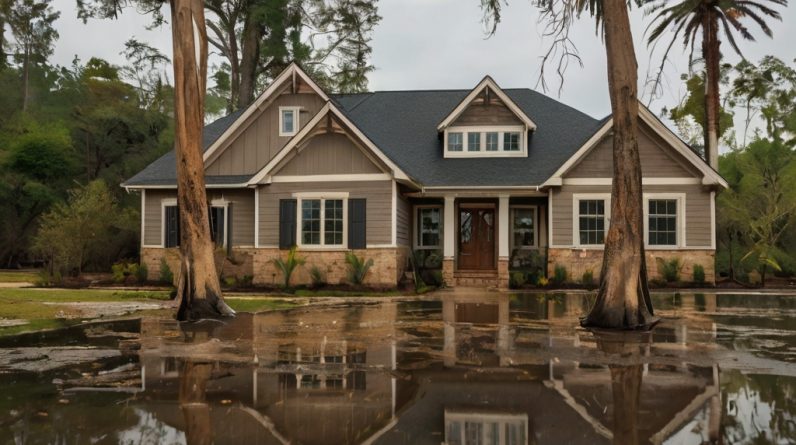
Your home is likely your most valuable asset, a sanctuary providing shelter and security. However, natural disasters, such as hurricanes, floods, earthquakes, wildfires, and tornadoes, can pose a significant threat, causing devastating damage and financial hardship. While standard homeowners insurance offers some protection, it often doesn’t cover all types of natural disasters. This article provides a comprehensive guide to understanding home insurance coverage for natural disasters, outlining what is typically covered, what is not, and how to ensure you have adequate protection for the unexpected.
Understanding Standard Homeowners Insurance:
A standard homeowners insurance policy typically covers damage from certain perils, including:
- Fire: Damage caused by fire or smoke.
- Windstorms: Damage caused by wind, such as from hurricanes or tornadoes (excluding flood damage from these storms).
- Hail: Damage caused by hail.
- Vandalism: Damage caused by vandalism or malicious mischief.
- Falling Objects: Damage caused by falling objects, such as trees or debris.
- Weight of Ice, Snow, or Sleet: Damage caused by the weight of accumulated ice, snow, or sleet.
However, standard homeowners insurance policies typically exclude coverage for certain natural disasters, most notably:
- Floods: Damage caused by flooding from external sources, such as rivers, lakes, or storm surges.
- Earthquakes: Damage caused by earthquakes, including tremors, aftershocks, and landslides.
- Landslides or Mudslides (in some cases): While some policies may offer limited coverage for landslides triggered by covered perils like fire, general landslide or mudslide damage is often excluded.
Specialized Coverage for Specific Natural Disasters:
To protect your home from excluded perils, you need to purchase separate specialized coverage:
- Flood Insurance: Flood insurance is typically provided through the National Flood Insurance Program (NFIP), a federal program administered by the Federal Emergency Management Agency (FEMA). It covers physical damage to your home and its contents caused by flooding.
- Building Coverage: Covers the physical structure of your home, including the foundation, walls, roof, and electrical and plumbing systems.
- Contents Coverage: Covers personal belongings inside your home, such as furniture, appliances, and clothing.
- Earthquake Insurance: Earthquake insurance covers damage caused by earthquakes. It often includes coverage for:
- Dwelling: Covers the structure of your home.
- Personal Property: Covers your belongings inside the home.
- Other Structures: Covers detached structures on your property, such as garages or sheds.
- Wildfire Insurance: While standard homeowners insurance covers fire damage, some policies may have limitations or exclusions for wildfires, especially in high-risk areas. You may need to purchase a separate wildfire insurance policy or an endorsement to your existing policy to ensure adequate coverage.
Factors Affecting Insurance Costs for Natural Disasters:
Several factors influence the cost of insurance for natural disasters:
- Location: The geographic location of your home is the most significant factor. Homes located in high-risk areas for floods, earthquakes, or wildfires will have higher premiums.
- Home Construction: The construction materials and building design of your home can affect its vulnerability to natural disasters. Homes built to withstand specific perils, such as wind or earthquakes, may qualify for discounts.
- Coverage Limits and Deductibles: Higher coverage limits and lower deductibles will result in higher premiums.
- Claims History: A history of previous claims can also increase premiums.
Strategies for Protecting Your Home and Reducing Insurance Costs:
- Assess Your Risk: Understand the specific natural disaster risks in your area. FEMA provides flood maps that show flood risk zones. Local government agencies can provide information about earthquake and wildfire risks.
- Strengthen Your Home: Taking steps to strengthen your home can reduce its vulnerability to natural disasters and potentially lower insurance premiums. This includes:
- Elevating your home (for flood risk): Raising your home above the base flood elevation can significantly reduce flood risk.
- Reinforcing your roof and walls (for wind and earthquake risk): Strengthening your roof and walls can help them withstand high winds and seismic activity.
- Creating defensible space around your home (for wildfire risk): Clearing vegetation and other flammable materials around your home can reduce the risk of wildfire damage.
- Purchase Adequate Insurance Coverage: Ensure you have sufficient coverage to rebuild your home and replace your belongings in the event of a total loss. Don’t underestimate the potential costs of rebuilding after a major disaster.
- Consider Higher Deductibles: Choosing higher deductibles can lower your premiums, but ensure you can comfortably afford to pay the deductible if you have a claim.
- Maintain Your Property: Regularly maintaining your property can help prevent some types of damage, such as damage from falling trees or accumulated snow and ice.
- Shop Around and Compare Quotes: Comparing quotes from multiple insurance companies can help you find the best rates and coverage options.
- Take Advantage of Available Discounts: Inquire about any available discounts for home improvements, safety features, or other factors that can reduce your premiums.
- Understand Your Policy Exclusions and Limitations: Carefully review your policy documents to understand what is covered and what is not. Pay close attention to any exclusions or limitations related to natural disasters.
Understanding Flood Insurance in Detail:
Given the widespread nature of flood risk and the fact that it’s excluded from standard homeowners policies, it’s worth delving deeper into flood insurance:
- NFIP vs. Private Flood Insurance: The NFIP is the primary provider of flood insurance in the United States. However, private flood insurance options are also available and may offer different coverage limits and pricing.
- Mandatory Flood Insurance: If your home is located in a high-risk flood zone and you have a federally backed mortgage, flood insurance is typically mandatory.
- Cost of Flood Insurance: The cost of flood insurance depends on several factors, including the flood risk zone, the elevation of your home, and the coverage limits.
- Waiting Period for Flood Insurance: There is typically a 30-day waiting period before flood insurance coverage becomes effective, so it’s important to purchase coverage well in advance of any potential flood events.
The Importance of Documentation:
It’s crucial to document your belongings and the condition of your home. This will be invaluable when filing a claim after a natural disaster.
- Create a Home Inventory: Take photos or videos of your belongings and create a detailed inventory list.
- Keep Important Documents in a Safe Place: Store important documents, such as insurance policies, deeds, and financial records, in a waterproof and fireproof safe or in a secure online location.
Working with Insurance After a Disaster:
If your home is damaged by a natural disaster, it’s important to contact your insurance company as soon as possible.
- File a Claim Promptly: Contact your insurer to report the damage and begin the claims process.
- Document the Damage: Take photos and videos of the damage to your home and belongings.
- Keep Records of Expenses: Keep records of any expenses related to repairs or temporary housing.
- Work with Your Insurance Adjuster: Cooperate with your insurance adjuster and provide them with all necessary information.
Conclusion:
Protecting your home from the unexpected requires understanding the limitations of standard homeowners insurance and securing appropriate coverage for natural disasters. By assessing your risk, strengthening your home, purchasing adequate insurance, and documenting your belongings, you can mitigate the financial impact of these devastating events. Remember to shop around, compare quotes, and consult with an insurance professional to ensure you have the right coverage for your specific needs and location. Being prepared can make all the difference in recovering from a natural disaster and rebuilding your life.
Protecting Your Investment: A First-Time Homeowner’s Guide to Home Insurance

Becoming a homeowner is a significant milestone, a symbol of stability and achievement. However, with this exciting step comes new responsibilities, including protecting your valuable investment with adequate home insurance. Navigating the world of home insurance can be daunting for first-time homeowners, with various coverage options, terminology, and considerations to understand. This article serves as a comprehensive guide, offering essential tips and advice to help first-time homeowners secure the right home insurance policy and safeguard their property.
Understanding the Basics of Home Insurance:
Home insurance, also known as homeowners insurance, is a type of property insurance that covers your home and its contents against various perils, such as fire, theft, vandalism, and certain natural disasters. It also provides liability coverage if someone is injured on your property. Understanding the core components of a standard policy is crucial:
- Dwelling Coverage: This covers the physical structure of your home, including the walls, roof, foundation, and attached structures like garages and decks. It’s typically based on the replacement cost of rebuilding your home, not its market value.
- Other Structures Coverage: This covers detached structures on your property, such as sheds, fences, and detached garages.
- Personal Property Coverage: This covers your belongings inside your home, including furniture, electronics, clothing, and appliances. It often covers items even when they are outside your home, such as during travel.
- Loss of Use Coverage: This covers additional living expenses (ALE) if your home becomes uninhabitable due to a covered peril. ALE can cover temporary housing, meals, and other necessary expenses while your home is being repaired.
- Personal Liability Coverage: This protects you financially if someone is injured on your property and you are found liable. It covers legal defense costs and any settlements or judgments awarded against you.
- Medical Payments Coverage: This covers minor medical expenses for guests injured on your property, regardless of who is at fault. It’s often referred to as “goodwill” coverage.
Key Factors Affecting Home Insurance Premiums:
Several factors influence the cost of your home insurance premiums:
- Home’s Location: Areas prone to natural disasters (e.g., hurricanes, wildfires, earthquakes) or with higher crime rates typically have higher premiums.
- Home’s Age and Construction: Older homes may have higher premiums due to outdated wiring, plumbing, or roofing. The type of construction materials used also plays a role.
- Replacement Cost of the Home: The estimated cost to rebuild your home if it were completely destroyed is a primary factor in determining dwelling coverage and premiums.
- Claims History: Past insurance claims filed by you or previous homeowners can affect your premiums.
- Credit Score: In many states, insurers use credit scores as a factor in determining premiums. A good credit score can result in lower rates.
- Coverage Amounts and Deductibles: Higher coverage limits and lower deductibles will result in higher premiums.
Essential Home Insurance Tips for First-Time Homeowners:
- Get Multiple Quotes: Don’t settle for the first quote you receive. Compare quotes from at least three to five different insurance companies to find the best rates and coverage options.
- Understand Replacement Cost vs. Market Value: Ensure your dwelling coverage is based on the replacement cost of your home, not its market value. The market value includes the value of the land, while the replacement cost only covers the cost to rebuild the structure.
- Conduct a Home Inventory: Create a detailed inventory of your personal belongings, including photos or videos, and keep it in a safe place (e.g., cloud storage, safe deposit box). This will be invaluable in the event of a claim.
- Consider Flood Insurance Separately: Standard home insurance policies typically do not cover flood damage. If you live in a flood-prone area, you will need to purchase separate flood insurance through the National Flood Insurance Program (NFIP) or a private insurer.
- Look for Discounts: Inquire about available discounts, such as discounts for having security systems, smoke detectors, or fire extinguishers. Bundling your home and auto insurance with the same company can also result in significant savings.
- Review Your Policy Annually: Review your policy at least once a year to ensure it still meets your needs and that your coverage amounts are adequate. Life changes, such as renovations or acquiring valuable possessions, may require adjustments to your coverage.
- Understand Your Deductible: Your deductible is the amount you pay out-of-pocket before your insurance coverage kicks in. Choosing a higher deductible can lower your premiums, but make sure you can afford to pay it if you have a claim.
- Ask About Guaranteed Replacement Cost Coverage: This option provides coverage for the full cost of rebuilding your home, even if it exceeds your dwelling coverage limit, due to increased construction costs after a widespread disaster.
- Consider Umbrella Insurance: An umbrella insurance policy provides additional liability coverage beyond the limits of your home and auto insurance policies. This can be valuable protection against large lawsuits.
- Maintain Your Home: Regularly maintain your home to prevent potential problems that could lead to insurance claims. This includes cleaning gutters, trimming trees, and addressing any roof or plumbing issues promptly.
- Understand Exclusions and Limitations: Carefully review your policy documents to understand any exclusions or limitations to coverage. Certain perils, such as earthquakes or landslides, may require separate endorsements or policies.
- Ask Questions: Don’t hesitate to ask your insurance agent questions about your policy. They can clarify any confusing terminology and ensure you understand your coverage.
- Document Everything: Keep records of all communications with your insurance company, including policy documents, correspondence, and claim information.
- Be Honest and Accurate on Your Application: Providing accurate information on your insurance application is crucial. Misrepresenting information can lead to denied claims or policy cancellation.
- Consider the Claims Process of Different Insurers: Research the claims process of different insurers and look for companies with a reputation for efficient and fair claims handling.
Special Considerations for First-Time Homebuyers:
- Closing Costs and Insurance: Factor in the cost of your first year’s home insurance premium when calculating your closing costs.
- Mortgage Lender Requirements: Your mortgage lender will likely require you to have homeowners insurance in place before closing on your loan.
- Escrow Accounts: Your lender may set up an escrow account to collect and pay your property taxes and homeowners insurance premiums.
Working with an Insurance Agent:
Working with an independent insurance agent can be particularly beneficial for first-time homeowners. An agent can:
- Explain different coverage options and help you choose the right policy for your needs.
- Compare quotes from multiple insurers.
- Help you understand the complexities of home insurance.
- Provide personalized advice based on your individual circumstances.
Conclusion:
Purchasing your first home is a significant investment, and protecting that investment with adequate home insurance is essential. By understanding the basics of home insurance, considering the key factors that affect premiums, and following the tips outlined in this article, first-time homeowners can navigate the insurance process with confidence and secure the right coverage to safeguard their property and financial well-being. Remember to shop around, compare quotes, and consult with an insurance professional to ensure you have the appropriate protection at a price you can afford. Taking a proactive approach to managing your home insurance can provide peace of mind and protect your investment for years to come.