Owning a home is a significant investment, and protecting that investment is paramount. While homeowners insurance provides a crucial safety net against unforeseen events, relying solely on insurance is a reactive approach. Proactive home maintenance is key to preventing many common insurance claims, saving homeowners money on deductibles and premiums, and, more importantly, preserving the value and safety of their property. This article provides a comprehensive guide to preventative home maintenance, offering practical tips and advice for homeowners to minimize risks and avoid costly repairs and insurance claims.
Understanding the Importance of Preventative Maintenance:
Preventative maintenance involves regularly inspecting, cleaning, and repairing various components of your home to prevent problems before they escalate. This proactive approach offers numerous benefits:
- Reduced Risk of Insurance Claims: By addressing potential issues early on, you can prevent many common causes of insurance claims, such as water damage, fire damage, and structural damage.
- Lower Insurance Premiums: Some insurers offer discounts for homeowners who demonstrate a commitment to preventative maintenance.
- Extended Lifespan of Home Components: Regular maintenance can significantly extend the lifespan of appliances, systems, and structural elements of your home, saving you money on replacements.
- Improved Home Value: A well-maintained home is more attractive to potential buyers and can command a higher resale price.
- Enhanced Safety: Preventative maintenance can identify and address safety hazards, reducing the risk of accidents and injuries.
- Early Detection of Problems: Regular inspections can help you detect minor issues before they become major problems, saving you time, money, and stress.
Key Areas of Preventative Home Maintenance:
- Roof Maintenance: The roof is your home’s first line of defense against the elements. Regular maintenance is crucial:
- Annual Inspections: Inspect your roof at least once a year, preferably in the spring and fall, for signs of damage such as missing, cracked, or curled shingles, damaged flashing, and debris accumulation.
- Gutter Cleaning: Clean your gutters and downspouts regularly to prevent water buildup and potential damage to your roof, fascia, and foundation.
- Tree Trimming: Trim trees that overhang your roof to prevent branches from falling and causing damage.
- Professional Inspections: Consider having a professional roofer inspect your roof every few years, especially if you live in an area prone to severe weather.
- Plumbing Maintenance: Plumbing problems can lead to significant water damage. Regular maintenance is essential:
- Leak Detection: Regularly check for leaks under sinks, around toilets, and in other plumbing fixtures.
- Drain Cleaning: Clean drains regularly to prevent clogs and backups.
- Hose Inspection: Inspect hoses for cracks or bulges and replace them as needed.
- Water Heater Maintenance: Flush your water heater annually to remove sediment buildup and improve efficiency.
- HVAC System Maintenance: Maintaining your heating, ventilation, and air conditioning (HVAC) system can improve its efficiency and prevent breakdowns:
- Filter Replacement: Replace air filters regularly (typically every one to three months).
- Annual Inspections: Schedule annual inspections and tune-ups by a qualified HVAC technician.
- Duct Cleaning: Consider having your air ducts cleaned periodically to improve air quality and system efficiency.
- Electrical System Maintenance: Electrical problems can pose a serious fire hazard. Regular maintenance is crucial:
- Inspect Wiring and Outlets: Regularly check for loose or damaged wiring, frayed cords, and overloaded outlets.
- Test Smoke Detectors and Carbon Monoxide Detectors: Test your smoke detectors and carbon monoxide detectors monthly and replace batteries annually.
- Professional Inspections: Have a qualified electrician inspect your electrical system periodically, especially if you live in an older home.
- Foundation Maintenance: A solid foundation is crucial for the structural integrity of your home. Regular maintenance is important:
- Inspect for Cracks: Regularly check your foundation for cracks or other signs of damage.
- Proper Drainage: Ensure proper drainage around your foundation to prevent water buildup.
- Gutter and Downspout Maintenance: Properly functioning gutters and downspouts are crucial for directing water away from your foundation.
- Exterior Maintenance: Maintaining the exterior of your home can prevent weather-related damage:
- Painting and Sealing: Regularly paint or seal exterior surfaces to protect them from the elements.
- Siding Inspection: Inspect your siding for damage such as cracks, gaps, or rot.
- Window and Door Maintenance: Check for leaks around windows and doors and ensure they are properly sealed.
- Interior Maintenance: Maintaining the interior of your home can prevent various problems:
- Inspect for Leaks: Regularly check for leaks around sinks, toilets, and appliances.
- Check for Mold and Mildew: Look for signs of mold or mildew growth, especially in damp areas such as bathrooms and basements.
- Pest Control: Implement preventative pest control measures to avoid infestations.
Seasonal Maintenance Tasks:
Different maintenance tasks are more important at different times of the year:
- Spring: Inspect roof and gutters after winter, check for leaks, inspect landscaping for drainage issues.
- Summer: Inspect HVAC system, check for insect infestations, inspect exterior paint and siding.
- Fall: Clean gutters and downspouts before winter, inspect roof for damage, prepare plumbing for freezing temperatures.
- Winter: Check for ice dams on the roof, ensure heating system is functioning properly, inspect for drafts around windows and doors.
Documentation and Record Keeping:
Maintaining records of all maintenance activities, repairs, and inspections is crucial. This documentation can be valuable when filing an insurance claim or selling your home.
Working with Professionals:
While many maintenance tasks can be performed by homeowners, some tasks are best left to professionals. Hiring qualified contractors for major repairs or inspections can ensure the work is done correctly and safely.
Impact on Insurance Premiums and Claims:
By proactively maintaining your home, you can significantly reduce the likelihood of filing insurance claims. This can lead to lower premiums over time and help you avoid the stress and inconvenience of dealing with insurance claims.
Conclusion:
Preventative home maintenance is not just about keeping your home looking its best; it’s about protecting your investment, ensuring your safety, and avoiding costly repairs and insurance claims. By implementing the tips and advice outlined in this article, homeowners can take a proactive approach to homeownership and enjoy the peace of mind that comes with knowing their property is well-maintained and protected. Regular maintenance is an investment in your home’s future and a key strategy for mitigating risks and preserving its value.
Smart Shopping for Home Insurance: A Guide to Effective Rate Comparison
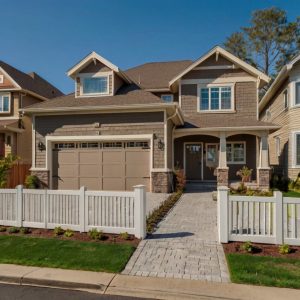
Protecting your home, one of your most valuable assets, is paramount. Home insurance provides crucial financial security against various perils, from fire and theft to natural disasters and liability claims. However, navigating the complexities of home insurance and finding the right policy at the best price can be a daunting task. This article offers a comprehensive guide to effectively comparing home insurance rates, empowering you to make informed decisions and secure the coverage that best suits your needs and budget.
Understanding the Basics of Home Insurance:
Before diving into rate comparisons, it’s essential to understand the fundamental components of a home insurance policy:
- Dwelling Coverage: This covers the physical structure of your home, including the walls, roof, foundation, and attached structures like garages and decks.
- Other Structures Coverage: This covers detached structures on your property, such as sheds, fences, and detached garages.
- Personal Property Coverage: This covers the contents of your home, including furniture, electronics, clothing, and other belongings.
- Loss of Use Coverage: This covers additional living expenses you incur if your home becomes uninhabitable due to a covered event, such as hotel stays, restaurant meals, and temporary housing.
- Liability Coverage: This protects you financially if you are held liable for injuries or damages to others on your property.
Factors Affecting Home Insurance Rates:
Several factors influence the cost of your home insurance premiums:
- Location: Your home’s location is a significant factor. Areas prone to natural disasters (e.g., hurricanes, floods, wildfires) or with high crime rates typically have higher premiums.
- Home’s Age and Construction: Older homes or those built with less durable materials may have higher premiums.
- Replacement Cost: The estimated cost to rebuild your home if it were completely destroyed is a key factor in determining dwelling coverage and premiums.
- Claims History: A history of previous claims can significantly increase your premiums.
- Credit Score: In many states, insurers use credit scores as a factor in determining premiums. A good credit score can result in lower rates.
- Coverage Amounts and Deductibles: Higher coverage limits and lower deductibles will result in higher premiums.
- Home Security and Safety Features: Homes equipped with security systems, smoke detectors, and other safety features may qualify for discounts.
Effective Strategies for Comparing Home Insurance Rates:
- Determine Your Coverage Needs: Before comparing rates, assess your specific coverage needs. Consider the replacement cost of your home, the value of your personal belongings, and your liability risk.
- Gather Necessary Information: Have the following information readily available when requesting quotes:
- Your home’s address and year built
- The square footage of your home
- The materials used in your home’s construction
- The value of your personal property
- Your claims history
- Any security or safety features in your home
- Obtain Quotes from Multiple Insurers: Get quotes from at least three to five different insurance companies. You can obtain quotes online, by phone, or through independent insurance agents.
- Compare Apples to Apples: Ensure you are comparing policies with similar coverage limits, deductibles, and other features. Don’t just focus on the premium; consider the overall value and coverage provided.
- Focus on Replacement Cost, Not Market Value: Your dwelling coverage should be based on the replacement cost of your home, not its market value. The market value can fluctuate, while the replacement cost is the estimated cost to rebuild your home.
- Understand Different Types of Policies: There are different types of home insurance policies, such as HO-1, HO-2, HO-3, and HO-5. HO-3 is the most common type and offers broad coverage. Understand the differences between these policies and choose the one that best suits your needs.
- Pay Attention to Deductibles: Your deductible is the amount you pay out-of-pocket before your insurance coverage kicks in. Choosing a higher deductible can lower your premiums, but you’ll pay more if you have a claim.
- Inquire About Available Discounts: Ask each insurer about available discounts, such as discounts for home security systems, smoke detectors, bundling multiple policies, and being claims-free.
- Check the Insurer’s Financial Ratings: Check the financial strength ratings of the insurers you are considering from independent rating agencies such as A.M. Best, Standard & Poor’s, and Moody’s. This ensures the insurer has the financial capacity to pay out claims.
- Read Customer Reviews and Complaints: Research customer reviews and complaints about the insurers you are considering to get an idea of their customer service and claims handling.
- Consider an Independent Insurance Agent: An independent agent can provide quotes from multiple insurers and help you compare policies and find the best fit for your needs. They can also offer unbiased advice and guidance.
Specific Areas to Scrutinize During Comparison:

- Coverage for Specific Perils: Check if the policy covers specific perils that are relevant to your location, such as flood insurance (which is typically separate), earthquake insurance, or hurricane coverage.
- Exclusions and Limitations: Carefully review the policy documents for any exclusions or limitations to coverage. Understand what is not covered by the policy.
- Replacement Cost vs. Actual Cash Value: Understand the difference between replacement cost coverage (which pays to replace your belongings with new items) and actual cash value coverage (which pays the depreciated value of your belongings). Replacement cost coverage is generally more expensive but provides better protection.
- Personal Liability Coverage Limits: Ensure your personal liability coverage limits are sufficient to protect your assets in case of a lawsuit.
- Loss of Use Coverage Details: Understand the details of your loss of use coverage, including the maximum amount of coverage and the duration of coverage.
Tools and Resources for Comparing Rates:
- Online Comparison Websites: Several websites allow you to compare home insurance quotes from multiple insurers. These tools can be a convenient starting point for your research.
- State Insurance Departments: State insurance departments provide resources and information about insurance regulations and consumer protection.
- Consumer Reports and Other Review Organizations: Consumer Reports and other consumer advocacy organizations provide ratings and reviews of insurance companies.
Working with an Independent Insurance Agent:
An independent insurance agent can be a valuable resource in your search for home insurance. They can:
- Provide quotes from multiple insurers.
- Explain different coverage options and help you choose the right policy.
- Offer unbiased advice and guidance.
- Help you navigate the claims process if you have a claim.
Maintaining Your Home to Lower Premiums:
Proactive home maintenance can help lower your premiums and prevent claims:
- Regular Roof Inspections and Maintenance: A well-maintained roof is less susceptible to damage from wind and hail.
- Maintaining Gutters and Downspouts: Clean gutters and downspouts prevent water damage to your home’s foundation and siding.
- Trimming Trees and Shrubs: Trimming trees and shrubs can prevent them from falling on your home during storms.
- Installing Security and Safety Features: Installing security systems, smoke detectors, and other safety features can qualify you for discounts and reduce your risk of loss.
Conclusion:
Comparing home insurance rates effectively requires careful research, attention to detail, and a clear understanding of your coverage needs. By following the tips and strategies outlined in this article, you can empower yourself to make informed decisions, secure the best possible coverage, and protect your most valuable asset. Remember to compare quotes from multiple insurers, understand the different types of coverage, and work with an insurance professional if needed. Taking a proactive approach to finding the right home insurance policy can provide peace of mind and financial security for years to come.