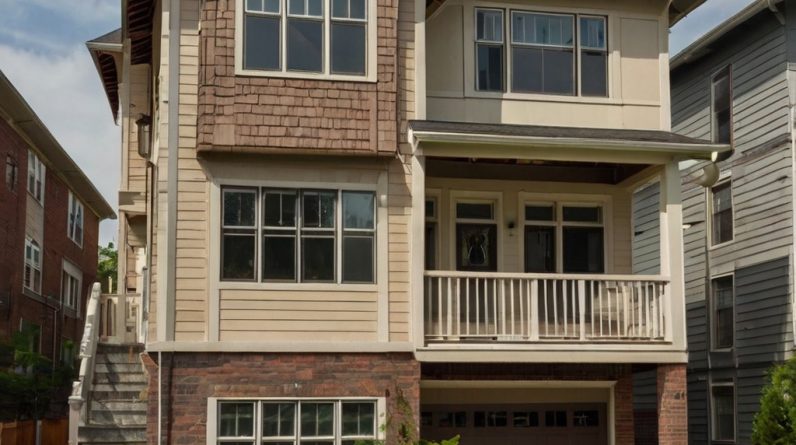
Renting an apartment or house offers flexibility and freedom, but it also comes with potential risks. While your landlord’s insurance covers the building itself, it doesn’t protect your personal belongings. That’s where renters insurance comes in. This often-overlooked policy provides crucial financial protection against unexpected events, safeguarding your possessions and offering peace of mind. This guide will walk you through everything you need to know about renters insurance, empowering you to make informed decisions and protect your valuable belongings.
Why Renters Insurance Is Essential:
Imagine a fire, a burst pipe, or a burglary occurring in your rented space. Without renters insurance, you’d be responsible for replacing everything you own, from furniture and electronics to clothing and personal items. This can lead to significant financial hardship. Renters insurance acts as a safety net, covering the cost of replacing or repairing your belongings in such situations.
What Renters Insurance Covers:
Personal Property: This is the core of renters insurance. It covers the cost of replacing your belongings if they are damaged or stolen due to covered perils, such as fire, theft, vandalism, water damage, and certain natural disasters.
Liability Coverage: If someone is injured in your rented space, or if you accidentally damage someone else’s property, liability coverage can protect you from financial responsibility. This includes covering medical expenses and legal fees.
Additional Living Expenses (ALE): If your rented space becomes uninhabitable due to a covered peril, ALE coverage can help pay for temporary housing, meals, and other living expenses while repairs are being made.
Choosing the Right Coverage:
Inventory Your Belongings: Create a detailed inventory of your belongings, including photos and receipts. This will help you determine the appropriate coverage amount and make the claims process easier.
Determine Replacement Cost vs. Actual Cash Value: Replacement cost coverage pays the full cost of replacing your belongings with new items, while actual cash value coverage pays the depreciated value. Replacement cost coverage is generally more expensive but offers better protection.
Shop Around and Compare Quotes: Obtain quotes from multiple insurance companies to find the best rates and coverage options.
Bundle Policies: If you have other insurance policies, such as auto insurance, consider bundling them with your renters insurance to save money.
Tips for Lowering Your Premiums:
Install Safety Features: Installing smoke detectors, burglar alarms, and sprinkler systems can sometimes qualify you for discounts.
Making a Claim:
If you need to file a claim, contact your insurance company as soon as possible. Provide them with detailed information about the incident, including photos and documentation. Keep records of all communication with your insurance company.
Renters insurance is a small investment that can provide significant financial protection and peace of mind. By understanding your coverage options and taking proactive steps to protect your belongings, you can safeguard yourself against unexpected events and enjoy the freedom of renting with confidence.