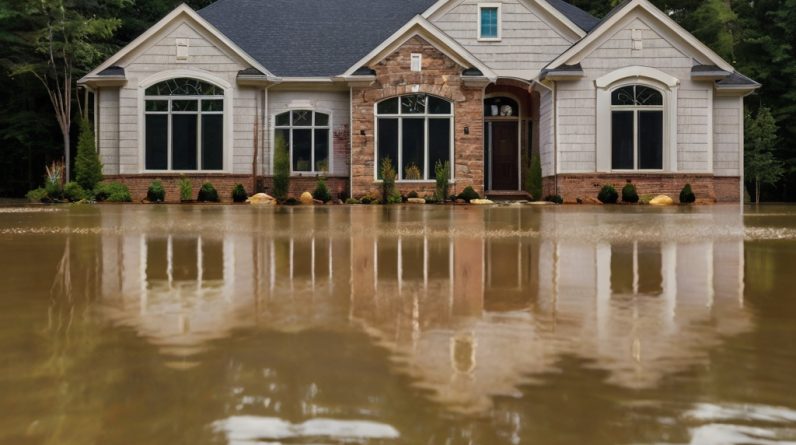
Flooding is a d evastating natural disaster that can cause significant damage to homes and personal belongings. While some areas are naturally more prone to flooding than others, any homeowner can take proactive steps to minimize the risk and impact of flood damage. This comprehensive guide provides homeowners with essential information and practical strategies to protect their property from floods, covering everything from understanding flood risk to implementing preventative measures and preparing for potential flood events.
Understanding Flood Risk:
The first step in protecting your home is understanding your individual flood risk. Several factors contribute to flood risk:
- Location: Properties located in floodplains, near bodies of water, or in areas with poor drainage are at higher risk of flooding.
- Elevation: Homes built at lower elevations are more susceptible to flooding than those built on higher ground.
- Proximity to Water Bodies: Proximity to rivers, lakes, oceans, and other water bodies increases flood risk.
- Local Topography and Drainage: The slope of the land and the effectiveness of local drainage systems can significantly impact flood risk.
- Weather Patterns: Heavy rainfall, hurricanes, and other severe weather events can cause flooding.
Resources for Assessing Flood Risk:
- Federal Emergency Management Agency (FEMA) Flood Maps: FEMA provides flood maps that delineate floodplains and identify areas at high risk of flooding. These maps are available online through the FEMA Flood Map Service Center.
- Local Government Floodplain Management Offices: Local government agencies can provide information about flood risk in your area and local flood regulations.
- Insurance Agents: Insurance agents can help you assess your flood risk and determine if flood insurance is necessary.
Types of Flooding:
Understanding the different types of flooding can help you better prepare for potential events:
- Riverine Flooding: Occurs when rivers or streams overflow their banks due to heavy rainfall or snowmelt.
- Coastal Flooding: Occurs when ocean water inundates coastal areas due to storms, hurricanes, or high tides.
- Flash Flooding: Occurs rapidly due to intense rainfall over a short period, often in areas with steep slopes or poor drainage.
- Urban Flooding: Occurs when drainage systems are overwhelmed by heavy rainfall in urban areas with impervious surfaces.
Preventative Measures to Protect Your Home:
Several preventative measures can help reduce the risk of flood damage:
- Elevating Your Home: If your home is located in a flood-prone area, elevating it can significantly reduce the risk of flood damage.
- Protecting Utilities: Elevating or relocating utilities such as furnaces, water heaters, and electrical panels can prevent them from being damaged by floodwaters.
- Installing Flood Barriers: Installing flood barriers such as flood shields, flood doors, and floodproofing sealant can help prevent water from entering your home.
- Improving Drainage: Improving drainage around your property by grading the land away from your foundation, cleaning gutters and downspouts, and installing French drains can help divert water away from your home.
- Landscaping for Flood Protection: Planting trees and shrubs strategically can help slow down runoff and reduce erosion.
- Sealing Walls and Foundations: Sealing cracks and openings in walls and foundations can help prevent water from seeping into your home.
- Installing a Sump Pump: A sump pump can help remove water that accumulates in your basement or crawl space.
- Backflow Valves: Installing backflow valves in sewer lines can prevent sewage from backing up into your home during a flood.
Preparing for a Flood Event:
Even with preventative measures in place, it’s essential to be prepared for a potential flood event:
- Develop a Flood Plan: Create a family emergency plan that includes evacuation routes, communication plans, and a designated meeting place.
- Assemble an Emergency Kit: Prepare an emergency kit that includes essential supplies such as food, water, medications, flashlights, batteries, and a first-aid kit.
- Elevate Valuables: Move valuable items and important documents to higher floors or store them in waterproof containers.
- Secure Outdoor Items: Secure or move outdoor items such as furniture, grills, and trash cans to prevent them from being swept away by floodwaters.
- Monitor Weather Conditions: Stay informed about weather forecasts and flood warnings.
- Heed Evacuation Orders: If an evacuation order is issued, evacuate immediately.
Flood Insurance:
Standard homeowners insurance policies typically do not cover flood damage. Flood insurance is a separate policy that can be purchased through the National Flood Insurance Program (NFIP) or from private insurance companies.
- National Flood Insurance Program (NFIP): The NFIP is a federal program that provides flood insurance to homeowners, renters, and business owners in participating communities.
- Private Flood Insurance: Private flood insurance policies may offer broader coverage or higher coverage limits than NFIP policies.
Understanding Flood Insurance Coverage:
Flood insurance policies typically cover:
- Building Coverage: Covers damage to the physical structure of your home, including the foundation, walls, roof, and electrical and plumbing systems.
- Contents Coverage: Covers damage to personal belongings inside your home, such as furniture, clothing, and electronics.
Factors Affecting Flood Insurance Premiums:
Several factors can influence flood insurance premiums:
- Flood Zone: Properties located in high-risk flood zones typically have higher premiums.
- Elevation: Homes built at higher elevations generally have lower premiums.
- Coverage Amount: Higher coverage amounts will result in higher premiums.
- Deductible: Choosing a higher deductible can lower your premiums.
Filing a Flood Insurance Claim:
If your home is damaged by a flood, it’s essential to file a claim promptly:
- Contact Your Insurance Agent or Company: Notify your insurance agent or company as soon as possible after the flood.
- Document the Damage: Take photographs and videos of the flood damage.
- Complete a Proof of Loss Form: Your insurance company will provide you with a proof of loss form to document your losses.
- Work with a Claims Adjuster: An insurance adjuster will inspect the damage and assess your claim.
Recovering After a Flood:
After a flood, it’s essential to take steps to protect your health and safety and begin the recovery process:
- Safety First: Do not enter your home until it is declared safe by authorities.
- Document the Damage: Continue to document the damage for insurance purposes.
- Clean Up Carefully: Wear protective gear and take precautions to prevent mold growth.
- Contact Your Insurance Company: Work with your insurance company to process your claim and begin repairs.
- Seek Assistance: Contact local and national disaster relief organizations for assistance with cleanup, repairs, and other needs.
Conclusion:
Protecting your home from floods requires a proactive approach that includes understanding your flood risk, implementing preventative measures, preparing for potential flood events, and securing appropriate flood insurance coverage. By taking these steps, homeowners can significantly reduce the risk of flood damage and minimize the financial and emotional impact of this devastating natural disaster. Staying informed, being prepared, and working with insurance professionals and local authorities are crucial for safeguarding your property and your family
A Complete Guide to Homeowners Insurance: Understanding Comprehensive Coverage

Protecting your home, one of your most valuable assets, is crucial. Homeowners insurance provides financial protection against various perils, offering peace of mind and security. While different levels of coverage exist, understanding comprehensive coverage is essential for homeowners seeking the broadest protection available. This article delves into the intricacies of comprehensive homeowners insurance, explaining what it covers, what it doesn’t, and key factors to consider when choosing a policy.
Disclaimer: This article provides general information about homeowners insurance and should not be considered legal or financial advice. Consult with a qualified insurance agent or financial advisor for personalized guidance tailored to your specific situation.
The Core Components of a Homeowners Insurance Policy:
A standard homeowners insurance policy typically consists of several key coverages:
- Dwelling Coverage: This covers the physical structure of your home, including the walls, roof, foundation, and attached structures like garages and decks. It protects against damage from covered perils such as fire, windstorms, hail, and vandalism.
- Other Structures Coverage: This covers detached structures on your property, such as sheds, fences, detached garages, and gazebos.
- Personal Property Coverage: This covers the contents of your home, including furniture, electronics, clothing, appliances, and other personal belongings. It protects against damage or loss from covered perils, regardless of whether the items are inside or outside your home.
- Loss of Use Coverage (Additional Living Expenses): This covers additional living expenses you incur if your home becomes uninhabitable due to a covered peril. This can include temporary housing, meals, and other related expenses.
- Personal Liability Coverage: This protects you financially if you are held liable for bodily injury or property damage to others on your property or caused by you or members of your household, regardless of location.
- Medical Payments Coverage: This covers medical expenses for guests who are injured on your property, regardless of who is at fault.
What Does “Comprehensive” or “All-Risk” Coverage Entail?
The term “comprehensive” or “all-risk” coverage refers to a type of homeowners insurance policy that provides broader protection than a standard “named perils” policy.
- Named Perils Policy: This type of policy only covers losses caused by specifically named perils listed in the policy, such as fire, windstorm, hail, and vandalism. If a loss is caused by a peril not explicitly named, it is not covered.
- Comprehensive (All-Risk) Policy: This type of policy covers all perils except those specifically excluded in the policy. This provides broader protection as it covers a wider range of potential losses.
Common Exclusions in Comprehensive Homeowners Insurance:
While comprehensive policies offer extensive coverage, certain exclusions are standard:
- Earthquakes: Damage caused by earthquakes is typically not covered and requires a separate earthquake insurance policy.
- Floods: Damage caused by floods is also typically excluded and requires a separate flood insurance policy, often obtained through the National Flood Insurance Program (NFIP).
- Wear and Tear: Gradual deterioration, wear and tear, and maintenance issues are not covered.
- Pest Infestations: Damage caused by termites, rodents, or other pests is generally excluded.
- Mold: Mold damage is often excluded or limited, unless it is caused by a covered peril such as a burst pipe.
- Intentional Acts: Damage caused intentionally by the homeowner or members of their household is not covered.
- War or Nuclear Hazards: Damage caused by war or nuclear events is typically excluded.
Key Factors to Consider When Choosing Comprehensive Coverage:
When deciding whether comprehensive coverage is right for you, consider the following factors:
- Value of Your Home and Possessions: If you own a high-value home or have valuable personal belongings, comprehensive coverage can provide greater peace of mind and financial protection.
- Location and Risk Factors: If you live in an area prone to certain natural disasters (excluding floods and earthquakes, which require separate policies) or other risks, comprehensive coverage can provide broader protection.
- Cost of Premiums: Comprehensive coverage is generally more expensive than named perils policies. Consider your budget and how much you can afford to spend on homeowners insurance.
- Deductibles: Your deductible is the amount you pay out-of-pocket before your insurance coverage kicks in. Choosing a higher deductible can lower your premiums but will mean you pay more if you have a claim.
- Replacement Cost vs. Actual Cash Value: Replacement cost coverage pays the cost to replace damaged property with new items of similar quality, while actual cash value coverage pays the depreciated value of the damaged property. Replacement cost coverage is generally more expensive but provides better protection.
- Policy Limits: Ensure your policy limits are sufficient to cover the full replacement cost of your home and possessions.
Understanding Specific Coverage Details:
It’s essential to understand the details of each coverage component within a comprehensive policy:
- Dwelling Coverage: Ensure the coverage amount is sufficient to rebuild your home in case of a total loss. Consider factors such as construction costs in your area.
- Other Structures Coverage: Determine if the coverage limit for other structures is adequate to cover the replacement cost of detached structures on your property.
- Personal Property Coverage: Create a home inventory to document your possessions and their value. This will be helpful in case of a claim. Consider obtaining a separate floater policy for valuable items such as jewelry, art, or collectibles.
- Loss of Use Coverage: Understand the limitations of this coverage, such as the maximum amount of time or money it will cover.
- Personal Liability Coverage: Ensure your liability coverage limits are sufficient to protect your assets in case of a lawsuit.
- Medical Payments Coverage: Understand the coverage limits for medical payments and how it interacts with your health insurance.
Tips for Lowering Your Homeowners Insurance Premiums:
Several strategies can help you lower your homeowners insurance premiums, even with comprehensive coverage:
- Improve Your Home’s Security: Installing security systems, smoke detectors, and other safety features can qualify you for discounts.
- Maintain Your Home: Regular maintenance can prevent costly repairs and reduce the risk of claims.
- Increase Your Deductibles: Choosing higher deductibles can lower your premiums.
- Bundle Your Insurance Policies: Bundling your homeowners insurance with other policies, such as auto or life insurance, can often result in a discount.
- Shop Around and Compare Quotes: Comparing quotes from multiple insurance companies is essential for finding the best rates.
- Improve Your Credit Score: In some states, insurers use credit scores as a factor in determining premiums. Improving your credit score can lead to lower rates.
- Take Advantage of Available Discounts: Inquire about all available discounts, such as discounts for new homes, renovations, or certain building materials.
Working with an Insurance Agent:
Working with an experienced insurance agent can be beneficial. They can:
- Explain different coverage options and help you choose the right policy.
- Identify available discounts and ensure you are maximizing your savings.
- Help you navigate the claims process if you have a loss.
- Provide personalized advice based on your individual needs and circumstances.
Conclusion:
Understanding comprehensive homeowners insurance is crucial for protecting your most valuable asset. While it offers the broadest protection available, it’s essential to understand what it covers, what it doesn’t, and the key factors to consider when choosing a policy. By carefully evaluating your needs, comparing quotes, and working with an insurance professional, you can secure the right coverage at a price you can afford and gain valuable peace of mind knowing your home is well protected. Remember that while comprehensive coverage provides extensive protection, understanding the specific details of your policy and addressing potential gaps through additional policies or endorsements is key to a truly robust home protection strategy.